From Waste to Wealth : How Indian Startups Are Turning Trash into Treasure
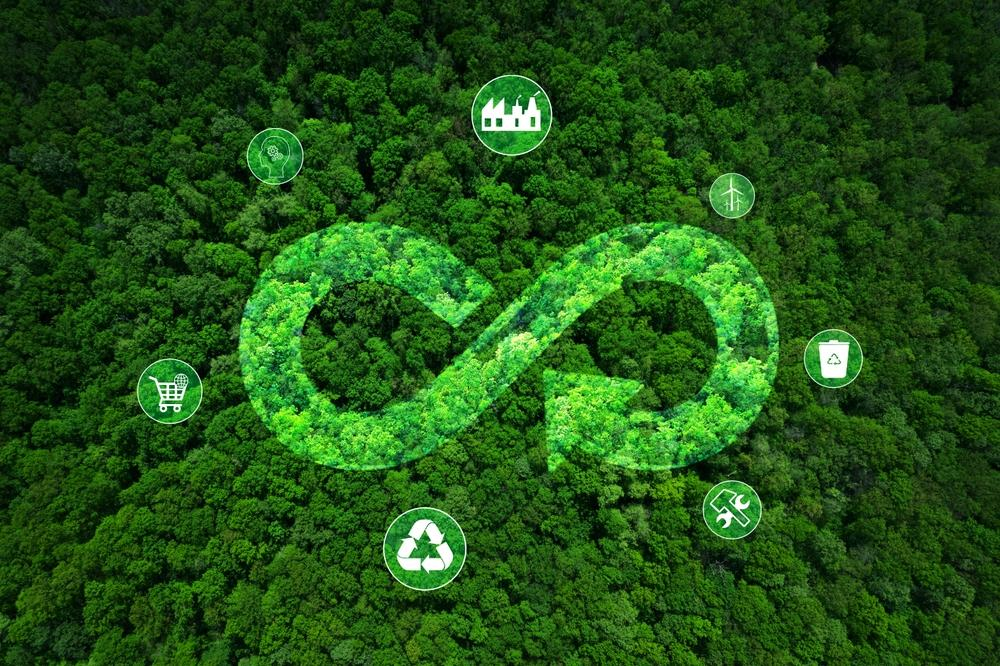
How India’s green economy is transforming waste into opportunity, innovation, and impact
Introduction
From fragrant incense sticks to financial success, prayers are being turned into profit (as well as compost) by this new startup called Phool.
While India is experiencing an ever-increasing amount of waste that is being generated, there exists an opportunity to create an entirely new economy built on the waste we produce, via innovative companies like Phool, Cancrie, and Taruwar Agro.
More than just an environment-friendly story, these companies are creating a new economy while utilizing the principles of eco-design (design for the environment), technology and community-based engagement to reform how we define sustainability.
In this story, you’ll explore :
- India’s growing waste crisis and the hidden potential inside it.
- Startups like Phool, Cancrie, and Taruwar Agro are redefining waste through innovation.
- How eco-design, tech and grassroots engagement are changing the sustainability game.
- The human impact on rural jobs, urban futures, and environmental dignity.
- Challenges ahead and the collaborative power needed to fuel this green revolution.
- The emergence of waste as India’s next economic success story.
Dumpyards to Dreams
Not only are India’s trash heaps becoming bigger, but they are also trying out for the role of the century : economic goldmines.
India produces 62 million tonnes of waste annually, with an expected increase to well past 165 million tonnes by 2030.
Although the collection processes have greatly improved with the collection of approximately 90% of disposed waste, actual processing of collected waste remains the biggest challenge.
Only 50-55% of total waste generated is treated in a scientifically based manner, with large quantities of waste either going to landfills or being left unprocessed and creating pollution of the air, water, and land.
However, while others view garbage, entrepreneurs view gold and create businesses from it.
This is where garbage and innovation meet.
Where Temple Offerings Become Earth-Friendly Incense

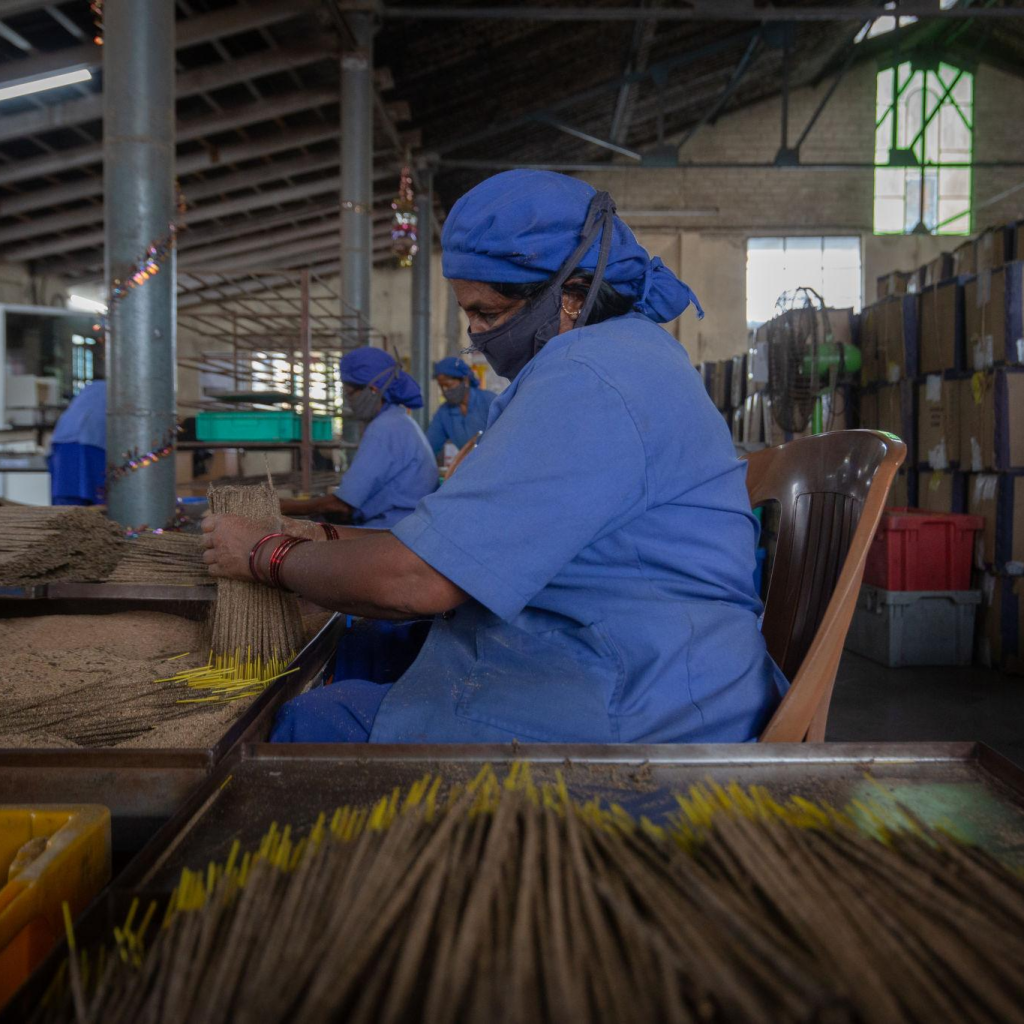
Sacred flowers can light up your living room and cover someone’s income, so why let them rot in rivers? Spiritual recycling is not merely a trend; it is a profitable economic strategy.
Imagine this: The pungent smell of marigolds, flowers strewn on a temple altar, a minute of prayer and then discarded in rivers and drains.
Imagine those same flowers being brought back to life as pungent-odour-smelling incense sticks, organic manure, or even biodegradable packaging foam.
That’s the miracle Phool is working in Kanpur. By saving flower waste from temples and transforming it into new life, they’ve not only created green products but sustainable incomes for dozens of poor women.
If flowers can be reincarnated as incense, can we reimagine every ritual waste as a blessing for the planet?
This is not recycling, it’s spiritual renewal.
Can We Turn Scraps into Solutions?
Yes, we definitely can, as one man’s trash is another man’s startup pitch!
Let’s put the spotlight on some of India’s brightest minds changing the way India manages its waste :
1. Coconuts, Carbon, and Clean Energy : The Cancrie Breakthrough
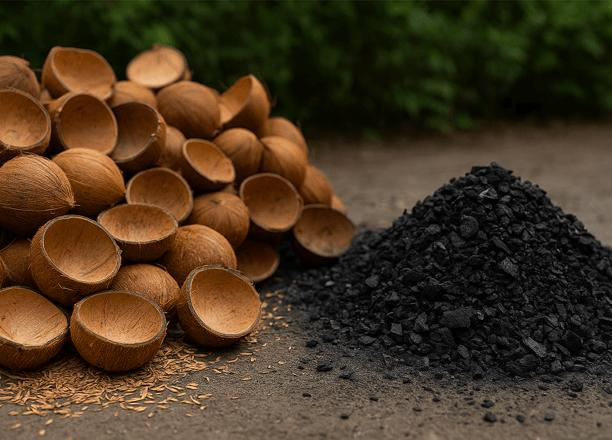
When life gives you coconut shells, make EV batteries that outrun yesterday’s tech. Lets see how Cancrie is actually doing this.
Cancrie converts rejected coconut shells into cutting-edge nanocarbon materials, boosting electric vehicle batteries by 125%.
Waste is no longer waste; it’s driving the future of clean mobility.
This is a waste-driven future.
If discarded coconut shells can supercharge electric cars, what other ‘kitchen waste’ is secretly waiting to run the future?
2. Banana Waste : a New Source of Livelihood
Bananas nourish the nation, but the huge stems and trunks after harvest? Typically incinerated or wasted.
Taruwar Agro seized the chance. They make the most of banana waste by making handicrafts, sanitary napkins, and plant-based leather out of it.
The ripple effect? Farmers earn more, rural women are employed, and supply chains remain environmentally friendly.
This is farm-to-textile innovation in action.
3. Plastic Waste Transformed into Beautiful Urban Furniture
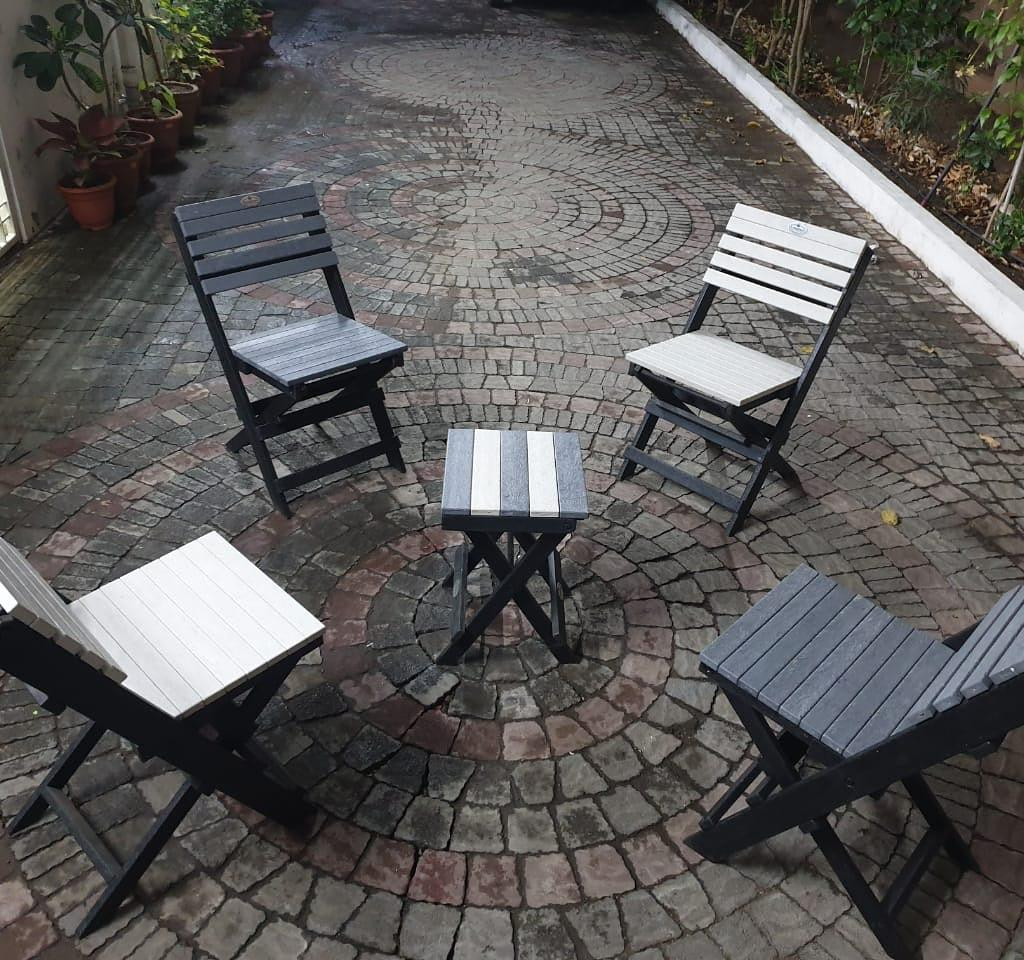
At econscious, years-old plastic bottles don’t vanish; they reappear as chic garden chairs, city planters, and outdoor sculptures.
Their shape isn’t only saving waste but also training green manufacturing unit workers, particularly women.
Where sustainability meets beauty.
4. Ritual to Revenue : The Phool Model
Phool recovers almost 4 tons of temple flowers daily, upcycling them into eco incense, organic manure, and biodegradable Styrofoam substitutes.
They’ve even patented a process called “flowercycling.”
What’s unique about them? Their workforce is comprised of Dalit women, providing the marginalized groups with economic clout and dignity.
This is culture-led impact innovation.
5. A Technology Firm That Runs on Windpower And Produces Its Food
Sasken Technologies greened its Bengaluru campus from solar panels on top to organic farms on campus plots. Even the cafeteria is zero-waste.
In an era of carbon-intensive IT parks, Sasken demonstrates what a sustainable workplace looks like.
6. Schools That Teach Climate Action By Design
EuroSchool Bengaluru was constructed from recycled materials, features mechanisms for waste management, and is driven by green processes that engage students in the process.
This is not a school, but it’s a living sustainability laboratory.
If children grow up learning in buildings made of recycled waste, will ‘throwaway culture’ just become ancient history for them?
Why Is Innovation the True Hero in This Story?
Being creative in this economy means not only thinking beyond the box, but also creating the box out of banana fibre.
From banana stems to coconut shells, each solution here is informed by inventive imagination, scientific innovation, and circular thinking.
These startups are not recycling, rewiring supply chains, maximizing resources, and minimizing the environmental price of daily life.
This is not waste management, it’s waste renaissance.
People Behind the Progress
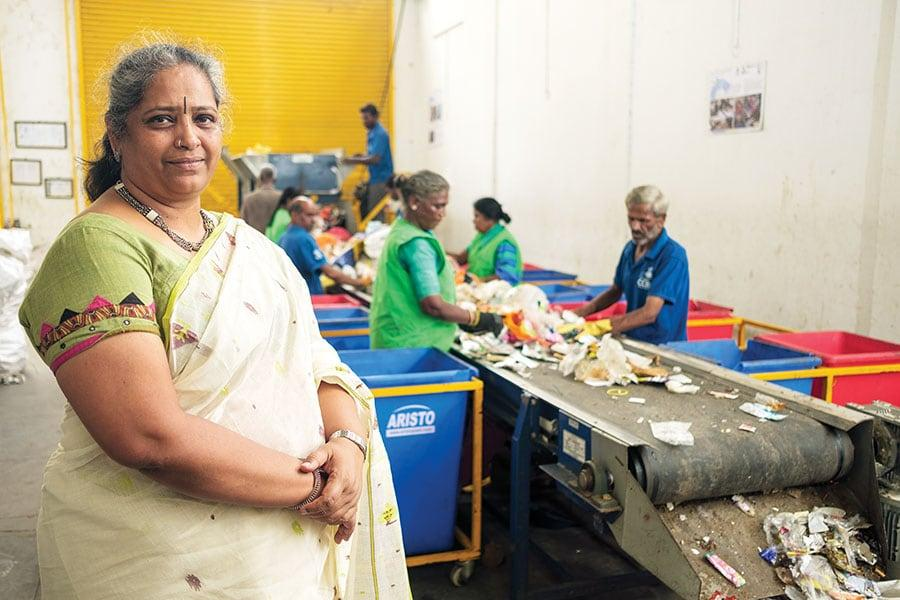
Behind each pathbreaking startup is a larger goal : people.
- Phool is bringing dignity to Dalit women through safe livelihoods.
- Taruwar Agro is generating secondary income for farmers in remote villages.
- econscious is empowering women with sustainable production lines.
People of Phool
People of Phool Akhilesh comes from a small village in the countryside outside of Uttar Pradesh. She relocated to Kanpur because she thought she could have a good life and take care of her family there.
She had worked hard on a lot of things before and knew she deserved respect, good working conditions, and a stable career. After years of looking, she found all of this at Phool.
Akhilesh had never rolled incense until she started working for Phool three years ago. But over the years, she learned how to roll incense and did it quite effectively. She is now really good at rolling incense. She even shows new employees how to do it and is glad to work with a group of women who appreciate her work.
Akhilesh is a severe but kind woman at home. She is a loving mother of three and likes to spoil her kid by purchasing her little things. The best part of her day is the evening when she plays with her two grandsons. She is happy that her family is growing.
Trash isn’t just a problem for the environment.
It’s also a moment for social justice.
Not Without Hurdles : What’s Holding Things Back?
Though the momentum is there, the path of waste-to-wealth is hindered by real barriers:
- Inadequate segregation of waste at the source
- Insufficient municipal support
- Low consumer awareness
- Scaling technology in rural and informal environments
But momentum for public-private partnerships, green politics, and people-power campaigns is gaining momentum.
The next step will be collaboration.
The Green Economy Is Coming Into View and Waste Is Paving The Way
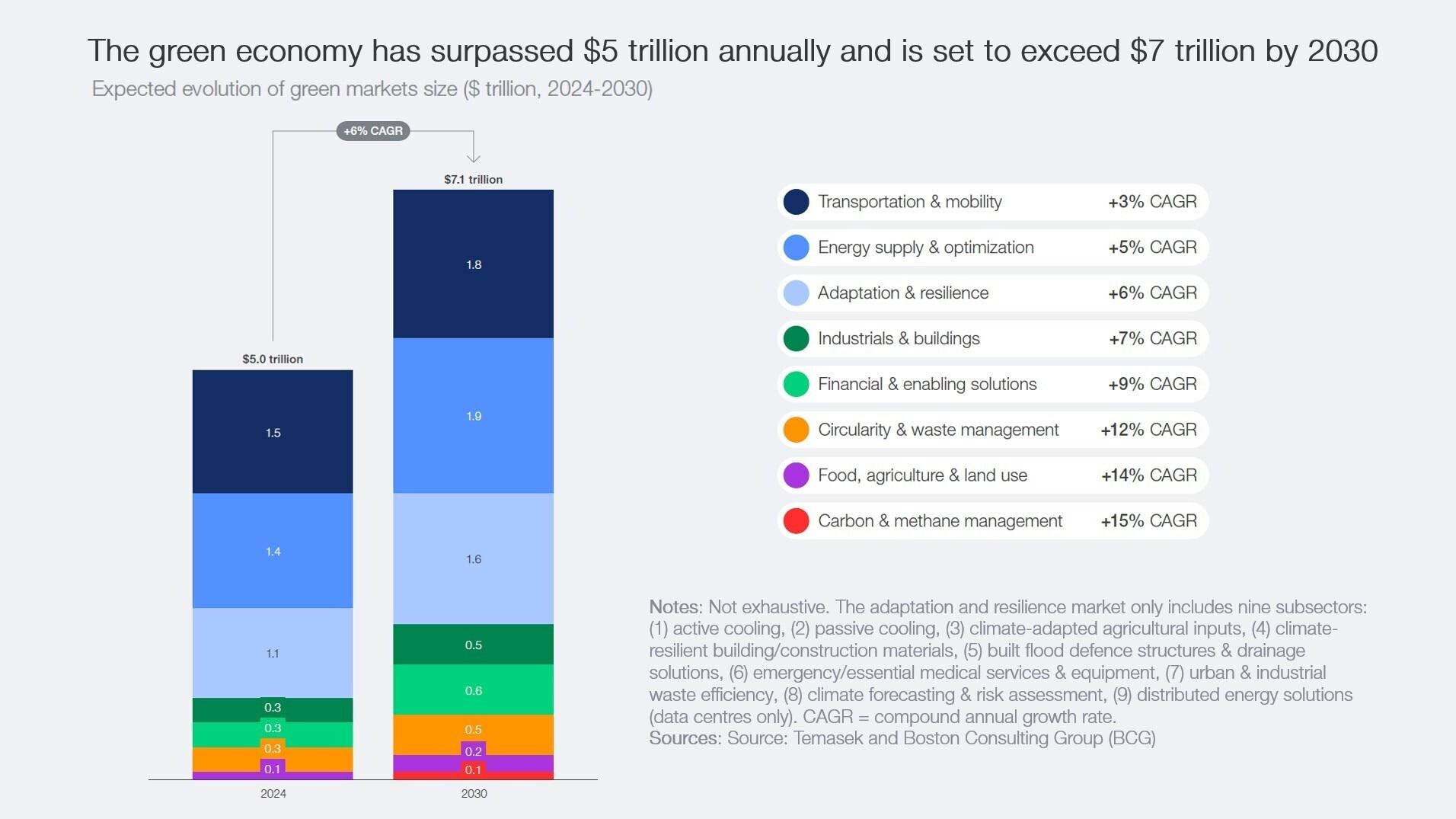
From 2021 to 2024, the Special Campaign drives have created more than Rs. 2364 crore in total revenue from scrap disposal, with approximately Rs.650 crore generated from the Special Campaign 4.0.
India’s transition to the green economy is expected to create millions of jobs, with long-term projections estimating over 50 million jobs as the country moves towards net-zero goals.
Waste is increasingly being utilized as a primary driver in India’s green economic powerhouse as startups scale and grow :
- Decreasing raw material dependence
- Spinning Rural Jobs
- Attracting ESG Investments
- Ramping up local production
The circular economy is no longer a theory. It’s in action.
Where Do We Fit In?
You don’t have to start a startup to be a part of it.
- Shop at sustainable brands.
- Practice simple waste segregation at home.
- Support green local initiatives.
- Spark debate on sustainability in your social circles.
Your wallet, your shopping bag, your Instagram feed, all are weapons in this green war. Choose wisely, spend smartly, post loudly.
If one household can spark change, how big could the movement get if your entire neighbourhood got on board?
If our trash could talk, would it brag about becoming tomorrow’s hottest business opportunity?
No action is too small. No voice is too small.
From the Margins to the Mainstream : Trash to Treasure
The good news? The revolution has only begun.
With more founders entering the industry, more capital pouring in, and more citizens participating, the transformation is gathering speed.
Waste from yesterday is becoming tomorrow’s prosperity; financially, socially, and environmentally.
Let’s keep this momentum going.
What waste-to-wealth concepts do you think can shape India’s future?
Let us know what you think in the comments below!